
Exploring the psychology behind risk-taking in casino gaming
The Thrill of the Chase
Risk-taking in casino gaming often stems from an innate desire for excitement and an adrenaline rush. Many individuals are drawn to the uncertainty of outcomes, which creates a thrilling environment where anything can happen. This thrill is fueled by the possibility of winning, leading players to take risks that they might otherwise avoid in other aspects of their lives. In this context, some might find themselves exploring a crypto casino option, resulting in new types of risk and reward.
The rush associated with gambling activates the brain’s reward system, releasing dopamine and creating feelings of pleasure. This biochemical response reinforces the behavior, encouraging players to engage in more risk-taking activities. Understanding this psychological response is crucial for both players and operators, as it highlights how emotions can influence decision-making in the gaming context.
The Role of Cognitive Biases
Cognitive biases play a significant role in how individuals approach risk in casinos. Biases such as the illusion of control, where players believe they can influence random outcomes, can lead to increased risk-taking behavior. Gamblers may overestimate their chances of winning, believing that their skill or strategy will impact the game, even in games of pure chance.
This skewed perception can result in players betting more than they can afford, driven by the belief that a big win is just around the corner. By recognizing these cognitive distortions, players can better understand their motivations and potentially mitigate excessive risk-taking that could lead to negative consequences.
Social Influences on Gambling Behavior
The social environment surrounding casino gaming significantly impacts individuals’ risk-taking behavior. The presence of peers can amplify the excitement, encouraging players to take risks they might otherwise avoid when gambling alone. Group dynamics often lead to a phenomenon known as social facilitation, where individuals feel emboldened to take greater risks in a social setting.
Additionally, the stigma associated with gambling can affect behavior. Players may feel the need to prove their worth or demonstrate their courage to friends, further encouraging high-stakes gambling. Understanding these social influences can help casinos tailor their environments and marketing strategies, ensuring a responsible gaming atmosphere that considers psychological factors.
The Impact of Environment and Design
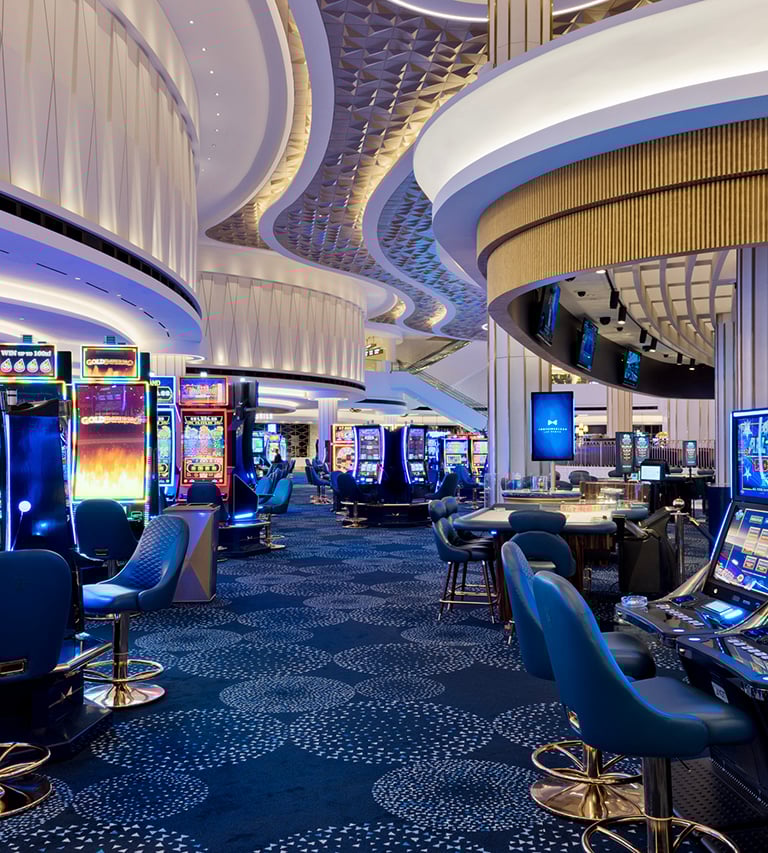
The design and atmosphere of a casino can significantly affect risk-taking behaviors. Casinos are meticulously crafted to create an immersive experience, using sounds, lights, and layouts designed to keep players engaged and wagering. The layout encourages players to move from one game to another, often increasing the likelihood of placing additional bets.
Research indicates that environments filled with excitement and stimulation can alter decision-making processes, leading individuals to take more significant risks. By understanding how environmental factors influence behavior, casino operators can create spaces that enhance the gaming experience while promoting responsible gambling practices.

A Secure Online Gaming Environment
In the realm of online gaming, ensuring a secure environment is paramount. Websites dedicated to online casinos employ advanced security measures to protect user data and maintain a safe gaming experience. While players can enjoy the thrill of risk-taking from the comfort of their homes, security protocols may sometimes hinder access temporarily, causing frustration.
However, many online platforms provide clear guidance on how to navigate these challenges, ensuring players can regain access and continue their gaming experience. By prioritizing security, these websites not only protect their users but also foster a more responsible and enjoyable gaming environment, allowing players to focus on the psychology of risk-taking in casino gaming without unnecessary concerns.